
KCC Visit to Ukraine

In November 2024, a significant moment in the story of Kent’s support for Ukraine was reached as the Leader of Kent County Council, Roger Gough, and County Councillor Jordan Meade travelled to the Chernihiv Region, a region that has endured some of the most intense devastation of Russia’s full-scale invasion, to formally sign a Memorandum of Understanding (MoU) between our two regions.
This was not simply a diplomatic visit. It was the formalisation of something much deeper: a relationship already forged through hardship, solidarity, and shared values.
For Kent With Ukraine, and for all those across Kent who have played their part since 2022, this moment represents a transition - from humanitarian response to long-term partnership.
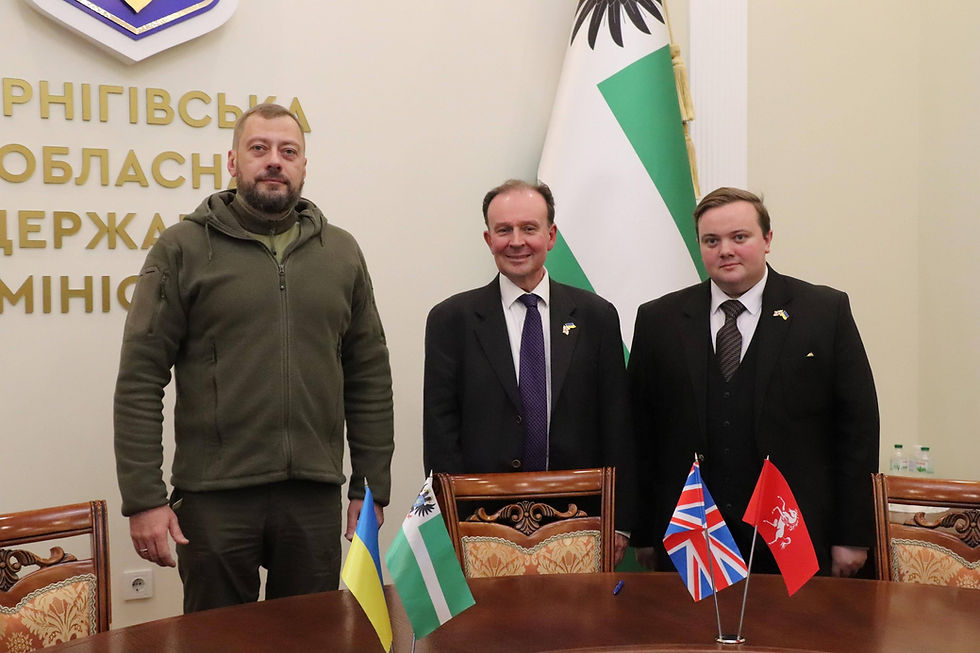
A Relationship Forged in War
Since the beginning of Russia’s full-scale invasion in February 2022, the people of the Chernihiv region have lived through extraordinary hardship. The region was among the first to face a brutal siege, with widespread destruction, civilian suffering, and documented war crimes.
Yet despite this, Chernihiv did not fall. Instead, it became a symbol of resilience.
It is that resilience that has shaped the partnership between Kent and Chernihiv.
From the earliest days of the war, communities across Kent responded, not through words alone, but through action. Homes were opened. Aid was collected. Convoys were organised. Lifesaving equipment was delivered.
This grassroots support created something rare in international relations: a bond between ordinary people that preceded formal government cooperation.
The MoU signed during this visit builds directly on that foundation.

From Aid to Strategic Cooperation
The Memorandum of Understanding marks a shift in how Kent engages with Ukraine.
It moves us beyond emergency response into something more strategic and enduring.
The agreement sets out a framework for cooperation across key sectors, including:
Economic development
Education and skills
Agriculture and food production
Technology and innovation
Cultural and civic exchange
As Roger Gough stated during the visit, “This collaboration and sharing of knowledge and expertise, from the economy, to education, agriculture and technology, is the start of a commitment to help Ukraine rebuild in peace.”

The Power of Local Leadership
What makes this partnership particularly significant is that it is rooted in local government. This is not a national treaty negotiated at distance. It is a living, working relationship between two regions—between councils, communities, schools, and businesses. This is paradiplomacy in action.
It recognises that recovery is not delivered solely through central governments, but through empowered local institutions that understand the needs of their communities.
Chernihiv’s leadership has been clear: they are not only seeking aid, but true and lasting partnership. As Regional Governor, Mr Viacheslav Chaus noted: 2Our regions have a lot in common. I hope this will become the basis for a mutually beneficial cooperation. Thank you for this opportunity and for your support! There are many challenges. These are security, education, medicine, business and culture. And everywhere Great Britain is our reliable partner."
That mutuality matters. Because this is not a one way relationship. Kent also stands to learn from Ukraine’s experience of crisis management, resilience, and adaptation under extreme conditions.
Witnessing the Reality of War
During the visit, the delegation did not only engage in formal meetings. They also visited communities directly impacted by the war.
One of the most sobering moments came in the village of Yahidne, where local residents recounted the horrors they endured during the Russian occupation.
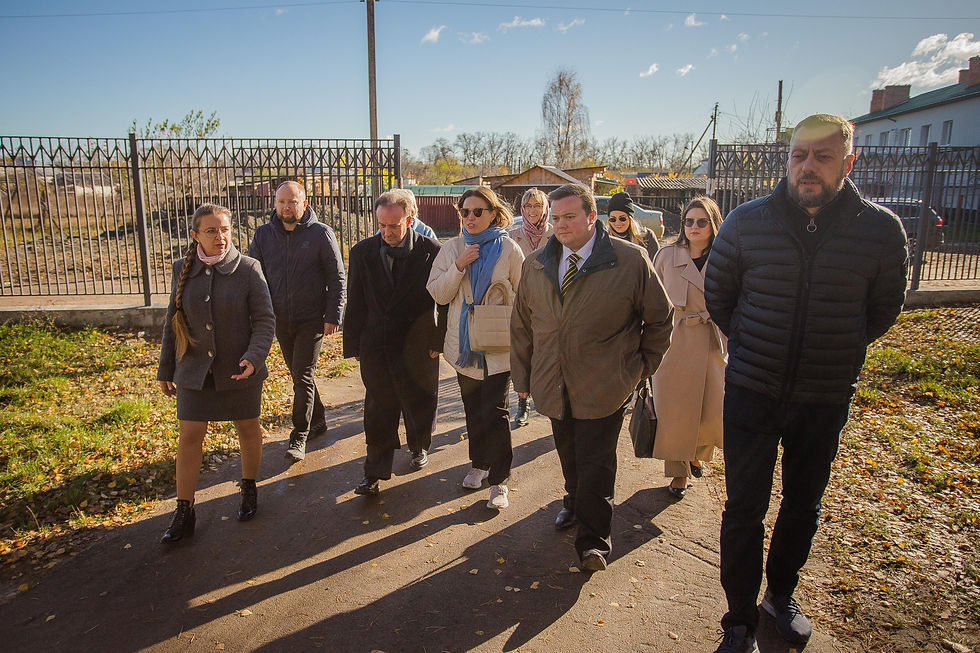
These are not abstract stories. They are lived experiences—of families sheltering in basements, of communities surviving under occupation, of lives permanently altered by war.
For those from Kent, witnessing this reality reinforces a simple but profound truth: Ukraine’s fight is not distant. It is not theoretical. It is human.
And it demands continued action.
Unlocking Agricultural Collaboration
A particularly important moment during the visit was the delegation’s time at the Institute of Agricultural Microbiology and Agroindustrial Production of the National Academy of Agrarian Sciences of Ukraine.

This visit highlighted the immense potential for collaboration between two regions with deep agricultural heritage and expertise. Kent is rightly known as the Garden of England, with a thriving agri-food sector that combines tradition with innovation—from fruit production and viticulture to food processing and supply chain excellence. Chernihiv, meanwhile, possesses vast agricultural land, scientific capability, and a growing ambition to modernise and integrate with European markets.
The opportunity here is clear. We see real potential to develop partnerships between Kent’s agricultural businesses and those in Chernihiv, linking producers, researchers, and innovators in a way that delivers mutual benefit.
Critically, there is also significant scope for collaboration around regulatory practices. As Ukraine continues its path towards closer alignment with European standards, there is a vital role for knowledge exchange in areas such as:
Food safety and standards
Environmental land management
Agricultural regulation and compliance
Export frameworks and market access
Kent, with its proximity to European markets and experience operating within highly regulated agri-food systems, is well placed to support this transition.
This is not just about trade, it is about helping to build the systems that enable sustainable, long-term economic growth.
Promoting Educational Partnerships
An equally encouraging element of the visit was the engagement with universities in the Chernihiv region. These discussions highlighted strong potential for academic partnerships between Kent and Ukrainian institutions, spanning research collaboration, student exchanges, and joint innovation programmes.
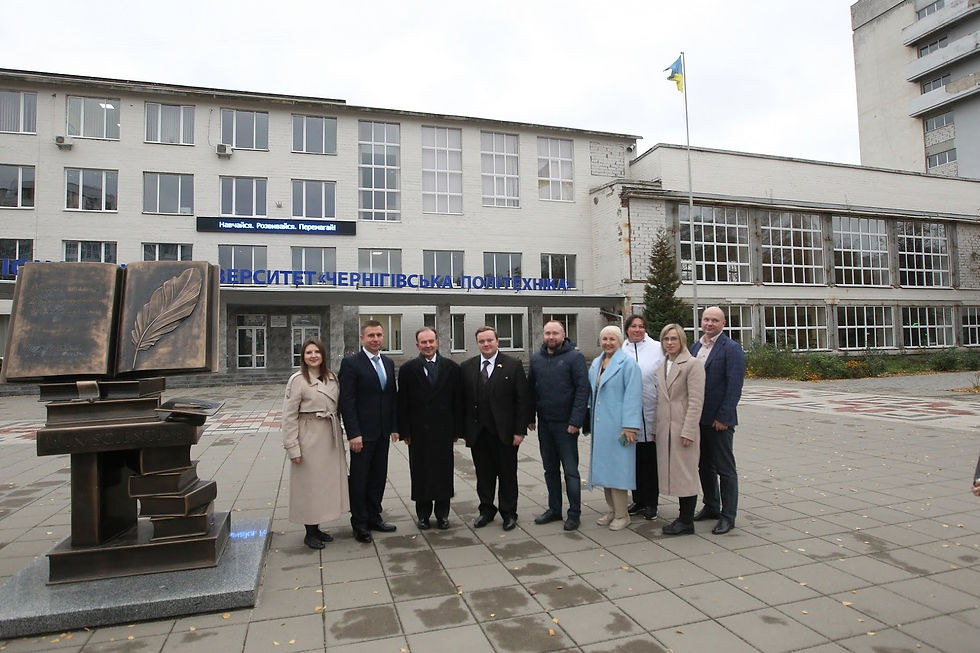
Universities are central to Ukraine’s long-term recovery, not only in educating the next generation but in driving technological advancement, public policy development, and economic growth.
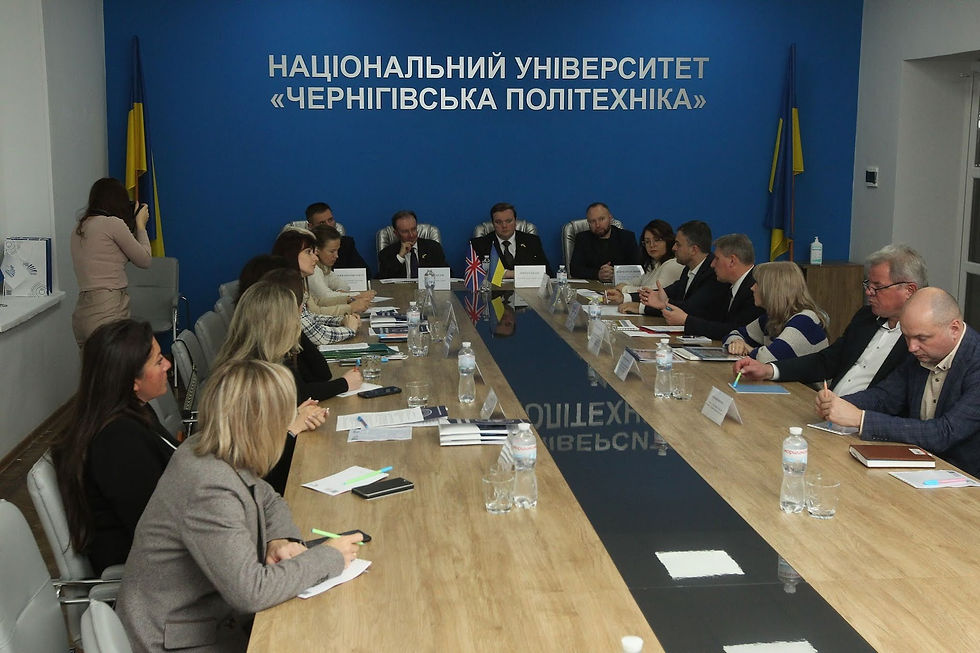
By fostering links between higher education institutions in Kent and Chernihiv, there is a clear opportunity to build enduring intellectual and cultural ties that support both regions while contributing to Ukraine’s reconstruction and future resilience.

Securing Business Partnerships
One of the most energising moments of the visit came during an evening engagement where Roger and Jordan met with over 30 local entrepreneurs from across the Chernihiv region.
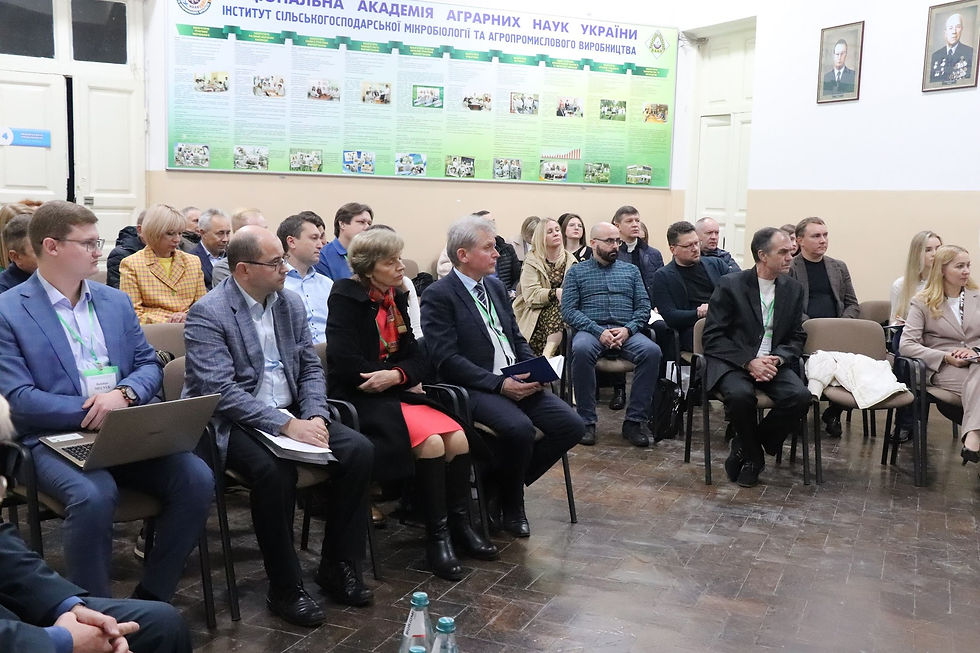
The discussion was focused, practical, and forward-looking—centred on how we can connect Kent businesses with their Ukrainian counterparts to unlock real commercial opportunities.
There was a clear appetite on both sides to deepen trade links, tackle existing barriers to market entry, and ensure that businesses are fully utilising the opportunities presented by the UK–Ukraine Free Trade Agreement. What emerged was a shared determination to move beyond dialogue and into delivery—building direct relationships between enterprises that can drive growth, support recovery, and create lasting economic ties between our regions.
Ideas to Support Our emergency Services
Another deeply humbling part of the visit was the opportunity to meet frontline responders and emergency service workers who continue to operate under extraordinary conditions. These are the individuals who run towards danger—clearing unexploded ordnance, responding to strikes, and keeping communities safe in the most challenging of environments. It was a real privilege to spend time with them, hear their experiences firsthand, and recognise the professionalism and courage they demonstrate every day.

We hope that this is the start of more formal collaboration between the emergency services in Kent and the emergency services in Chernihiv.

Among them was Patron, the now world-famous bomb disposal dog, whose work has captured hearts far beyond Ukraine. A small Jack Russell Terrier with extraordinary discipline and instinct, Patron has played a vital role in detecting explosives and helping clear liberated areas of deadly remnants of war.
But beyond his operational role, he has become a national symbol—representing resilience, bravery, and the unbreakable spirit of Ukraine. In the midst of destruction, Patron embodies something profoundly important: hope, humanity, and the quiet heroism that underpins Ukraine’s fight for survival.
Chernihiv Regional Scientific Lyceum
Roger and Jordan also visited the Chernihiv Regional Scientific Lyceum, where they had a truly inspiring time meeting both staff and students. The visit provided a valuable opportunity to hear directly about the pressures facing secondary education in Ukraine, particularly against the constant backdrop of air raids and disruption.

Despite these challenges, the determination and ambition of the students stood out. It was a real privilege to listen to their aspirations for the future—aspirations that remain undiminished by war—and to witness firsthand the resilience of a generation continuing to learn, grow, and look forward with hope.
Hospitals, Rehabilitation and Care
Roger and Jordan also visited a local hospital in Chernihiv, where they met with medical staff and witnessed firsthand the pressures facing Ukraine’s healthcare system.

It was harrowing to hear accounts of what they endured in 2022 during the siege—treating severe trauma cases under immense strain, often with limited resources and constant risk.

Yet alongside these difficult reflections, there were clear signs of progress. It was encouraging to see recent investment in vital equipment and to hear about ambitious plans to develop specialist treatment facilities for veterans.

These initiatives will be essential in addressing the long-term physical and psychological impact of the war, and stand as a testament to the determination to rebuild stronger, more resilient healthcare services.
Heritage and Restoration

Detailed discussions were also held around heritage restoration, as Jordan and Roger visited several museums, the historic cathedrals, and Dytynets Park in Chernihiv.
These sites, rich in history and cultural significance, have not been untouched by the impacts of war. The visits underscored both the scale of what has been at risk and the importance of preserving Ukraine’s cultural identity as part of its recovery.

It is hoped that Kent can draw on its considerable expertise in heritage conservation and restoration to support Chernihiv in repairing, protecting, and promoting these internationally significant sites—ensuring that their history is not only safeguarded, but shared with future generations.

Comments